

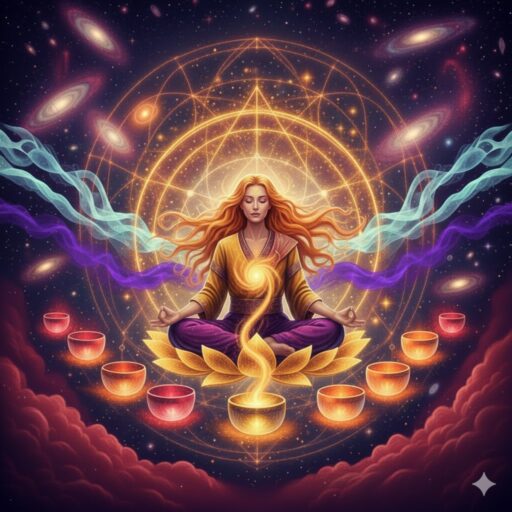
Grounding, Security, and Survival Awareness with the 396 Hz Root Chakra Frequency
Focus Keyphrase:
Root Chakra 396 Hz
Meta Description:
What is the Root Chakra (Muladhara)? Learn what the 396 Hz root chakra frequency does, imbalance symptoms, meditation techniques, and daily grounding practices in this complete guide.
What Is the Root Chakra?
The Root Chakra, known in Sanskrit as Muladhara, is the first and most fundamental chakra in the human energy system. It is believed to be located at the base of the spine, near the tailbone (coccyx). This chakra is considered the foundation of the entire chakra system, as all higher chakras rely on its stability and balance.
The word Muladhara comes from:
- Mula: root
- Adhara: support or foundation
Together, they clearly define the purpose of this chakra:
survival, safety, stability, and belonging.
The Role of the Root Chakra in Our Lives
When the Root Chakra is balanced and active, a person tends to:
- Feel safe and secure
- Have a strong sense of stability
- Feel grounded in the physical world
- Experience confidence instead of fear
The Root Chakra is closely associated with:
- Survival instincts
- Shelter and nourishment
- Financial and material security
- Family, ancestry, and roots
- Physical body awareness
Without a stable Root Chakra, spiritual practices aimed at higher chakras often fail to produce lasting results. For this reason, many meditation traditions emphasize “grounding first.”
What Is the 396 Hz Root Chakra Frequency?
396 Hz is the frequency most commonly associated with the Root Chakra. It belongs to the Solfeggio frequency scale and is believed to work particularly with:
- Fear
- Guilt
- Deep subconscious survival-related emotions
What Does 396 Hz Do?
According to spiritual traditions, 396 Hz may:
- Help release subconscious fears
- Support emotional grounding
- Promote a sense of safety and stability
- Strengthen connection to the physical world
In meditation music, this frequency is often combined with:
- Deep bass tones
- Slow rhythms
- Natural sounds such as drums or earth elements
Important note: These frequencies are not scientifically proven medical treatments. They are considered spiritual and experiential practices.
Signs of Root Chakra Imbalance
Root Chakra imbalance generally appears in two forms:
- Underactive (blocked)
- Overactive
When the Root Chakra Is Underactive
Common emotional and mental symptoms include:
- Constant anxiety about the future
- Financial insecurity
- Chronic fear or nervousness
- Feeling unsafe or unsupported
- Lack of energy
Physically, it may be associated with issues involving:
- Legs and feet
- Hips
- Lower back
- Colon
When the Root Chakra Is Overactive
An overactive Root Chakra may manifest as:
- Excessive control
- Resistance to change
- Material obsession
- Acting primarily from fear
The goal is not to “open” the chakra, but to bring it into balance.
Root Chakra and the Physical Body
The Root Chakra governs the densest and most physical aspects of the body.
Associated areas include:
- Base of the spine
- Pelvis and hips
- Legs and feet
- Large intestine
- Adrenal glands
The adrenal glands regulate stress and survival hormones, making their symbolic connection to the Root Chakra especially significant.
Root Chakra Color, Element, and Symbolism
- Color: Red
- Element: Earth
- Symbol: Four-petaled lotus
- Sense: Smell
- Mantra: LAM
Red represents blood, life force, and physical existence. For this reason, red tones are frequently used in Root Chakra practices.
Root Chakra Meditation with 396 Hz
Simple Root Chakra Meditation
- Sit or lie down in a quiet space
- Feel your feet connecting to the ground
- Visualize a red light at the base of your spine
- Play 396 Hz frequency music in the background
- Inhale with the thought “I am safe”
- Exhale with the thought “I release fear”
- Practice for 10–20 minutes
This meditation is especially helpful during:
- Periods of anxiety
- Life transitions
- Financial or emotional stress
Daily Root Chakra Balancing Practices
You don’t need meditation alone to support your Root Chakra.
1. Grounding
- Walk barefoot on natural ground
- Spend time in nature
2. Nutrition
- Root vegetables (potatoes, carrots, beets)
- Protein-rich foods
3. Physical Movement
- Walking
- Yoga (Mountain Pose, Warrior Poses)
4. Creating Routine
- Consistent sleep patterns
- Daily structure and habits
Root Chakra Stones and Crystals
Commonly used crystals include:
- Red Jasper
- Hematite
- Obsidian
- Black Tourmaline
They are often:
- Carried in pockets
- Used during meditation
- Placed near the body
The Root Chakra from a Scientific Perspective
Modern science does not recognize chakras as measurable energy centers. However, symbolic parallels exist between:
- The nervous system
- The endocrine system
- Psychological perceptions of safety
The relationship between stress, adrenal hormones, and survival instincts closely mirrors the themes of the Root Chakra.
Frequently Asked Questions
What frequency is the Root Chakra?
→ The most commonly used frequency is 396 Hz.
What happens when the Root Chakra is balanced?
→ A stronger sense of safety, stability, and grounded confidence.
How long should Root Chakra meditation last?
→ Ideally between 10 and 30 minutes.
Final Thoughts: Can You Rise Without a Strong Foundation?
The Root Chakra represents your permission to exist safely in the world. Without security, love cannot flourish; without stability, awareness cannot expand. Working with the 396 Hz Root Chakra frequency is the essential first step in any spiritual or meditation-based journey.